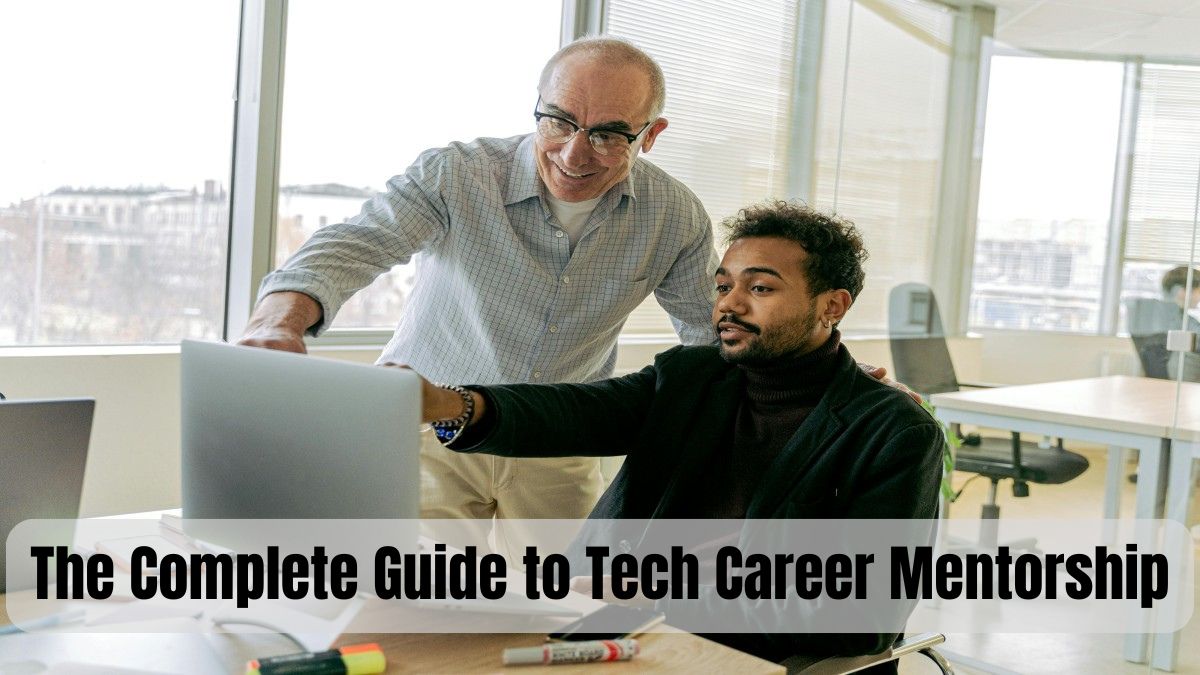
Career mentorship in the tech industry has evolved from informal coffee chats into a structured, high-impact practice that is reshaping how professionals advance their careers. In 2026, the mentorship landscape offers more options, better matching, and more measurable results than ever before. But with so many options available, it can be difficult to know where to start, what to look for, and how to get the most value from a mentorship relationship.
This guide covers everything you need to know about finding, evaluating, and maximizing the impact of career mentorship as a tech professional.
Why Mentorship Matters More Now Than Ever
The tech industry in 2026 is characterized by heightened competition for senior roles, increasingly complex interview processes, and rapidly evolving expectations for leadership at every level. In this environment, professionals who rely solely on self-study and organic career growth are at a significant disadvantage compared to those who benefit from structured, expert-led guidance.
The data supports this. Industry surveys consistently show that professionals with active mentorship relationships advance faster, earn more, and report higher career satisfaction than those without mentors. The effect is particularly pronounced for engineers at the mid-to-senior level who are preparing for career-defining transitions like moving into staff engineering, switching to management, or landing a role at a top-tier company.
The reason is straightforward. Mentors who have already navigated the path you are on can help you avoid the mistakes that slow other professionals down, focus your energy on the activities that produce the biggest results, and prepare more effectively for the high-leverage moments that determine your career trajectory.
Types of Tech Career Mentorship
Tech career mentorship takes several forms, each suited to different needs and career stages. Understanding the options helps you choose the right type of support for your current situation.
Long-term career mentorship involves an ongoing relationship with a mentor who provides regular guidance over months or even years. This format is ideal for professionals who are planning major career transitions, developing new skills, or working toward long-term goals that require sustained effort and accountability. A mentor from a leading tech company can serve as your long-term career advisor, helping you navigate decisions, track your progress, and adjust your strategy as circumstances change.
Interview preparation mentorship is more focused and time-bound. It involves working with an experienced professional to prepare for specific upcoming interviews, typically over a period of several weeks. This includes targeted mock interviews, feedback on system design and behavioral performance, resume and narrative refinement, and company-specific coaching.
Skills-based coaching focuses on developing specific capabilities, such as system design thinking, leadership communication, or executive presence. This type of mentorship is valuable for professionals who have identified a specific gap that is holding them back and want targeted help addressing it.
How to Choose the Right Mentor
The quality of your mentorship experience depends heavily on finding the right mentor. Here are the factors that matter most when making your choice.
Relevant experience is the foundation. A mentor who has worked at companies similar to your targets, at the level you are aiming for, and in a technical domain related to yours will provide far more actionable guidance than someone with a different background. If you are preparing for a staff engineer interview at Google, a mentor who has held that role at Google or a comparable company will understand the exact evaluation criteria and organizational dynamics you need to prepare for.
Chemistry and communication compatibility are also important. The best mentorship relationships are built on mutual respect and open communication. Look for a mentor who is direct and honest in their feedback, patient enough to explain their reasoning, and genuinely invested in your success rather than just going through the motions.
Getting the Most From Mock Interviews
Mock interviews are one of the most popular and effective forms of short-term mentorship for tech professionals. A well-structured mock interview with an experienced interviewer can compress weeks of self-study into a single focused session by revealing exactly where your preparation needs the most work.
To maximize the value of mock interviews with FAANG interviewers, approach each session with clear goals. Are you working on your system design communication? Your behavioral storytelling? Your ability to manage time during coding rounds? Tell your mock interviewer what you want to focus on so they can tailor their feedback accordingly.
After each session, take detailed notes on the feedback you received and create a specific action plan for addressing the areas of improvement before your next practice round. The candidates who improve fastest between mock sessions are those who treat the feedback as a structured development plan rather than just general advice.
Where to Find Quality Mentorship
The mentorship landscape in 2026 includes several channels, from informal networking to structured platforms. For tech professionals seeking reliable, high-quality guidance, dedicated career development platforms offer the most consistent results because they handle the vetting, matching, and logistics that make ad-hoc mentorship arrangements so unpredictable.
Internal mentorship programs at your current company can be valuable, but they are limited by the size and composition of your organization. If your company does not have senior leaders with experience at FAANG-level companies, you will need to look externally for the most relevant guidance. Professional networks and industry events can introduce you to potential mentors, but converting those introductions into sustained, committed mentorship relationships requires effort and luck.
Platforms like BeTopTen are purpose-built for tech career mentorship. They recruit mentors with verified experience at leading companies, provide transparent profiles so you can choose the right match, and offer structured formats for both ongoing mentorship and focused interview preparation. The advantage of using a dedicated platform is that the matching process, scheduling logistics, and quality standards are all handled for you, so you can focus entirely on your development.
Becoming a Mentor
If you are an experienced tech professional with insights worth sharing, the growing demand for quality mentorship has created a meaningful opportunity for you as well. Mentoring sharpens your own leadership and communication skills, builds your professional reputation, and creates a sense of purpose that many senior professionals find deeply rewarding.
You can become a mentor on BeTopTen and connect with engineers and tech leaders who are actively seeking the guidance you are uniquely qualified to provide. Whether you specialize in interview preparation, career strategy, leadership development, or technical coaching, your experience can make a genuine difference in someone’s professional trajectory.
Making Mentorship Part of Your Career Strategy
The most successful tech professionals in 2026 treat mentorship not as an occasional luxury but as a core component of their career strategy. They maintain ongoing mentorship relationships for long-term guidance, engage in focused interview preparation when a career move is on the horizon, and continuously seek out perspectives from people who challenge them to grow.
Whether you are just beginning to explore mentorship or ready to take your existing mentorship practice to the next level, the resources available today make it easier than ever to find the right guidance for your specific situation. The professionals who use these resources wisely are the ones who consistently reach the top of their field and stay there.