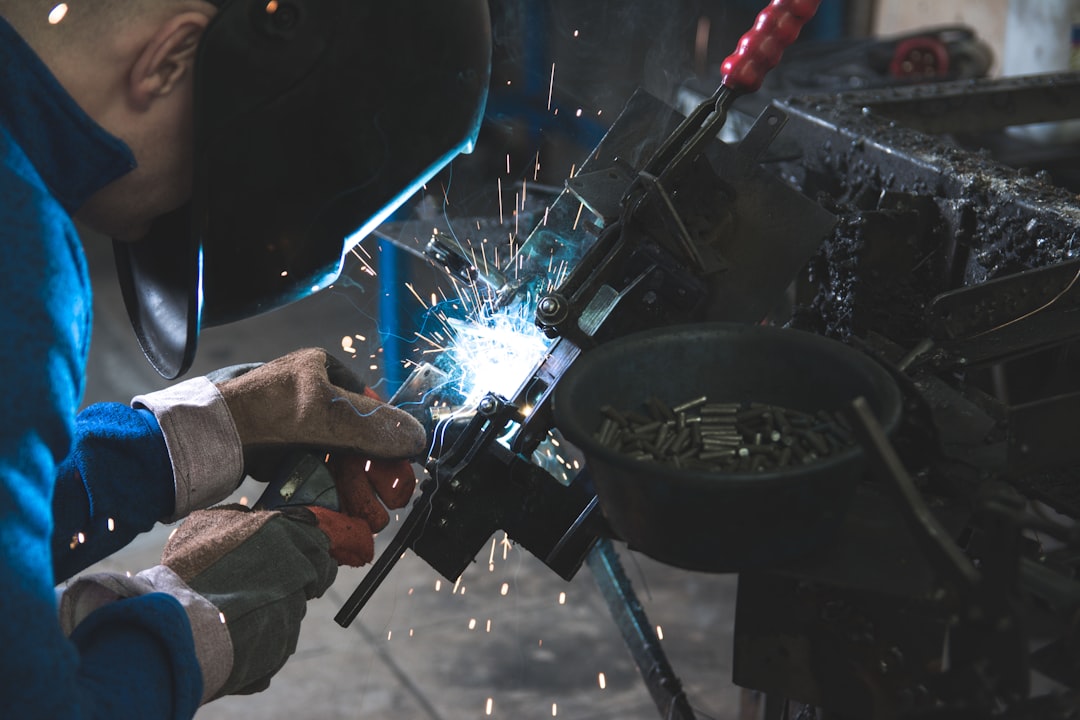
Choosing the right fabrication partner is rarely a simple purchasing decision. It affects product quality, lead times, cost control, and the day-to-day ease of getting work done. In an industrial region as active as Rayong, where manufacturing standards are high and project demands can vary widely, the best partner is not always the cheapest or the largest. The right choice is the company that understands your specifications, works with discipline, communicates clearly, and can deliver consistent results over time. If you are evaluating options for custom fabrication in Rayong, a structured approach will help you avoid costly missteps and build a supplier relationship that actually strengthens your operation.
1. Define What You Need Before You Compare Suppliers
The first step is internal clarity. Many procurement problems start because a business approaches suppliers with only a rough idea of what needs to be built, how precise it must be, and what constraints matter most. Before requesting quotations, define your project in practical terms: material requirements, tolerances, finish standards, expected volumes, inspection points, delivery schedule, and any assembly or secondary processing needed.
This stage matters because not all fabrication partners are built for the same type of work. Some are strongest in prototypes and small-batch jobs. Others are better suited to repeat production, heavy industrial fabrication, or highly precise engineered components. If your drawings are incomplete, your standards are vague, or your timeline is unrealistic, you will struggle to compare suppliers fairly.
A useful internal checklist should cover:
- Scope: one-off fabrication, prototyping, repeat production, or full contract manufacturing support
- Materials: stainless steel, mild steel, aluminum, specialty alloys, or mixed-material assemblies
- Tolerances: cosmetic fabrication and structural work require different levels of precision
- Processes: cutting, bending, welding, machining, finishing, coating, testing, or assembly
- Documentation: drawings, revision control, inspection standards, and traceability requirements
- Delivery expectations: urgent turnaround, staged deliveries, or stable long-run scheduling
The more clearly you define these points, the easier it becomes to identify a partner that truly fits the work rather than one that simply offers an attractive quote.
2. Assess Technical Capability, Not Just Capacity
Once your requirements are clear, the next question is whether a supplier has the technical depth to handle them properly. This goes beyond asking what machines they own. A capable fabrication partner should be able to explain how it will approach the job, where critical risks sit, and how quality will be maintained from drawing review through final delivery.
When reviewing providers for custom fabrication in Rayong, look closely at engineering involvement, fabrication processes, and the ability to manage work that is specific rather than routine. A strong partner should be comfortable discussing manufacturability, material selection, tolerance stack-up, weld considerations, and production sequencing. That technical conversation often tells you more than a price sheet ever will.
Ask practical questions such as:
- Can they review your drawing package and identify potential fabrication issues before production begins?
- Do they have experience with projects similar in complexity, scale, or compliance requirements?
- Can they handle secondary processes in-house, or do they rely heavily on subcontractors?
- How do they manage design revisions, sample approval, and production change control?
- What happens if a part fails inspection or a specification turns out to be impractical?
If your project requires precision, consistency, and engineering support, a company with broader contract manufacturing capabilities may offer an advantage over a basic job shop. That is one reason businesses often look for partners with a more integrated model. EVERCON | Precision Contract Manufacturing and Engineering in Thailand, for example, fits the profile of a partner that combines fabrication discipline with engineering understanding, which is often essential when projects move from concept to repeatable production.
3. Review Quality Control, Communication, and Project Discipline
Technical capability is only one part of the decision. Reliable outcomes depend just as much on quality systems and communication habits. A fabricator may be able to produce excellent work occasionally, but unless it operates with repeatable controls, consistency becomes difficult as volumes rise or deadlines tighten.
Look for evidence of process discipline rather than general assurances. You want to know how materials are identified, how inspections are recorded, how nonconforming parts are managed, and who owns responsibility at each stage of the job. If a supplier cannot explain its workflow clearly, there is a higher chance of confusion once production is underway.
Signs of a dependable partner include:
- Clear quotation breakdowns and documented assumptions
- Structured review of drawings and revisions before fabrication starts
- Defined inspection points for dimensions, fit, finish, and weld quality where relevant
- Consistent production updates and realistic lead-time communication
- Prompt escalation of issues instead of silence when problems appear
- Willingness to discuss corrective action openly and professionally
Communication style matters more than many buyers expect. A good fabrication partner does not simply wait for instructions; it asks smart questions early, confirms uncertainties, and flags risks before they turn into delays. This is especially important when your team is coordinating across engineering, procurement, operations, and installation. The easier a supplier is to work with operationally, the lower the hidden cost of the relationship.
4. Compare Cost, Lead Time, and Long-Term Fit
Price will always matter, but a low quote can become expensive if it leads to rework, inconsistent quality, missed delivery dates, or weak after-sales support. The better approach is to compare total suitability. This means weighing cost against technical confidence, responsiveness, production planning, and the supplier’s ability to grow with your requirements.
The table below can help organize your evaluation:
| Evaluation Area | What to Look For | Why It Matters |
|---|---|---|
| Quotation Quality | Clear scope, exclusions, lead time, and assumptions | Reduces disputes and surprise costs |
| Engineering Support | Ability to review designs and suggest practical improvements | Improves manufacturability and reduces risk |
| Production Capability | Suitable equipment, skilled labor, and process control | Supports consistency and deadline performance |
| Quality Assurance | Inspection procedures, documentation, and issue handling | Protects reliability and compliance |
| Lead-Time Reliability | Realistic scheduling and communication during production | Helps planning across your wider operation |
| Scalability | Capacity to support prototypes, pilot runs, and repeat production | Prevents supplier changes as demand evolves |
Also consider the practical long-term questions. Will this supplier still be the right fit if your order volume doubles? Can it support product changes without disruption? Is it stable enough to become part of your supply chain rather than just a one-time vendor? Businesses often underestimate the value of continuity. A fabrication partner that learns your standards, documentation style, and production expectations can save significant time over the life of a project.
5. Validate the Partner in the Real World Before You Commit
Even when a supplier looks strong on paper, final validation should be grounded in direct evidence. If possible, visit the facility. Observe housekeeping, material flow, shop-floor organization, inspection practices, and how confidently staff discuss active jobs. A well-run operation usually shows its standards physically, not just verbally.
During a visit or final review, pay close attention to:
- Whether the workshop appears organized, safe, and production-ready
- How drawings, revisions, and work instructions are controlled
- Whether quality checks are visible and systematic
- How managers and technicians answer technical questions
- Whether timelines are discussed realistically rather than optimistically
It is often wise to begin with a pilot project before awarding a larger scope. A smaller first order reveals how the supplier handles approvals, production updates, packaging, delivery, and any unexpected issues. This is where trust is actually earned. Many long-term supplier relationships begin not with a large contract, but with a well-managed test of competence and communication.
For buyers reviewing firms such as EVERCON | Precision Contract Manufacturing and Engineering in Thailand, this is the stage where distinctions become clear. The strongest partners tend to combine engineering credibility, production discipline, and a calm, transparent approach to execution. Those qualities are more valuable than impressive sales language because they directly shape outcomes on the factory floor.
In the end, choosing the right partner for custom fabrication in Rayong comes down to fit, not just price. The best supplier understands your technical requirements, communicates with discipline, protects quality, and has the operational maturity to support your business over time. Take the process seriously, ask detailed questions, and validate what you are told. A careful decision at the beginning can lead to smoother production, fewer setbacks, and a far more dependable manufacturing relationship in the years ahead.
——————-
Discover more on custom fabrication in Rayong contact us anytime:
https://evercon.co.th
evercon.co.th

+66 (0) 95 541 7979
Evercon Group – Precision Contract Manufacturing and Engineering in Rayong, Thailand. We specialize in CNC Machining, Industrial Design, Fabrication, Prototyping, Assembly, Automation, and Electrical system integration, from concept to delivery.